Fire-Resistant Building Materials & Features
Build with greater protection against wildfire exposure, wind-driven embers, and exterior flame contact by using durable, ignition-resistant materials throughout the home envelope.
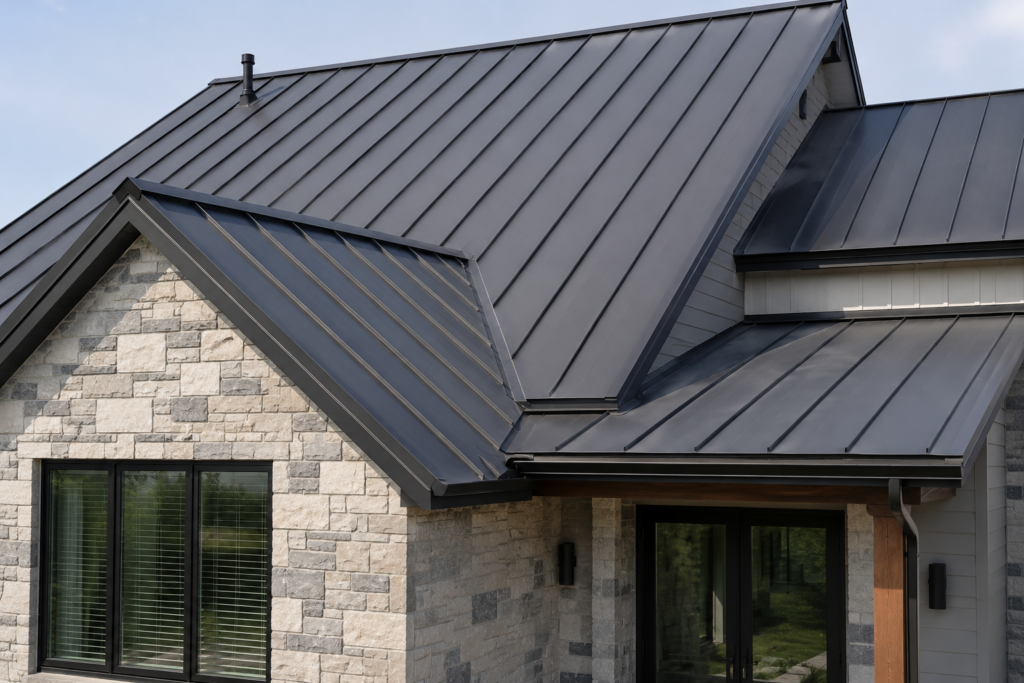
Roofing
Metal Roofing
A non-combustible roofing option with strong resistance to embers, sparks, and radiant heat. Metal roofs are especially effective when installed with proper underlayment, sealed edges, and ember-resistant detailing.
Class A Fire-Rated Roofing Assemblies
Roof systems with the highest fire-resistance rating, including certain metal, tile, slate, and approved composite roofing products.
Non-Combustible Gutters and Downspouts
Metal gutters help reduce ignition risk compared with plastic alternatives, especially when paired with gutter guards to prevent dry leaves and debris buildup.
Structural Framing
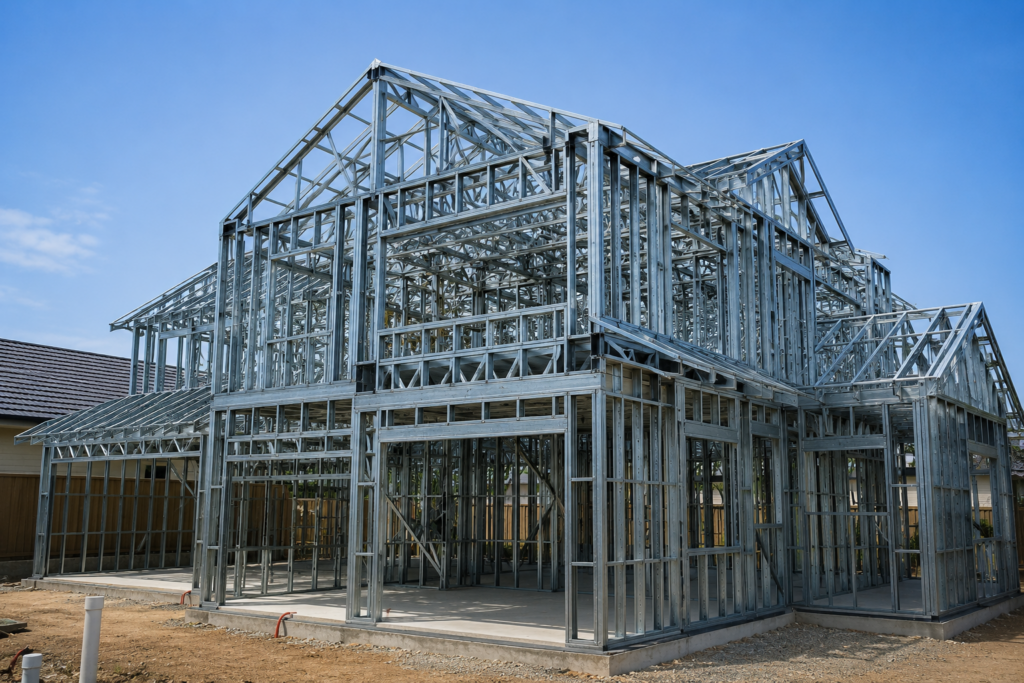
Light-Gauge Steel Framing
A non-combustible alternative to traditional wood framing, commonly used for walls, floors, and roof structures.
Heavy Steel Components
Steel beams, columns, and connectors provide strong structural performance and do not contribute fuel to a fire.
Fire-Rated Sheathing and Assemblies
Exterior wall and roof assemblies can be upgraded with fire-rated sheathing, gypsum-based panels, or cementitious boards for added protection.
Exterior Walls & Siding
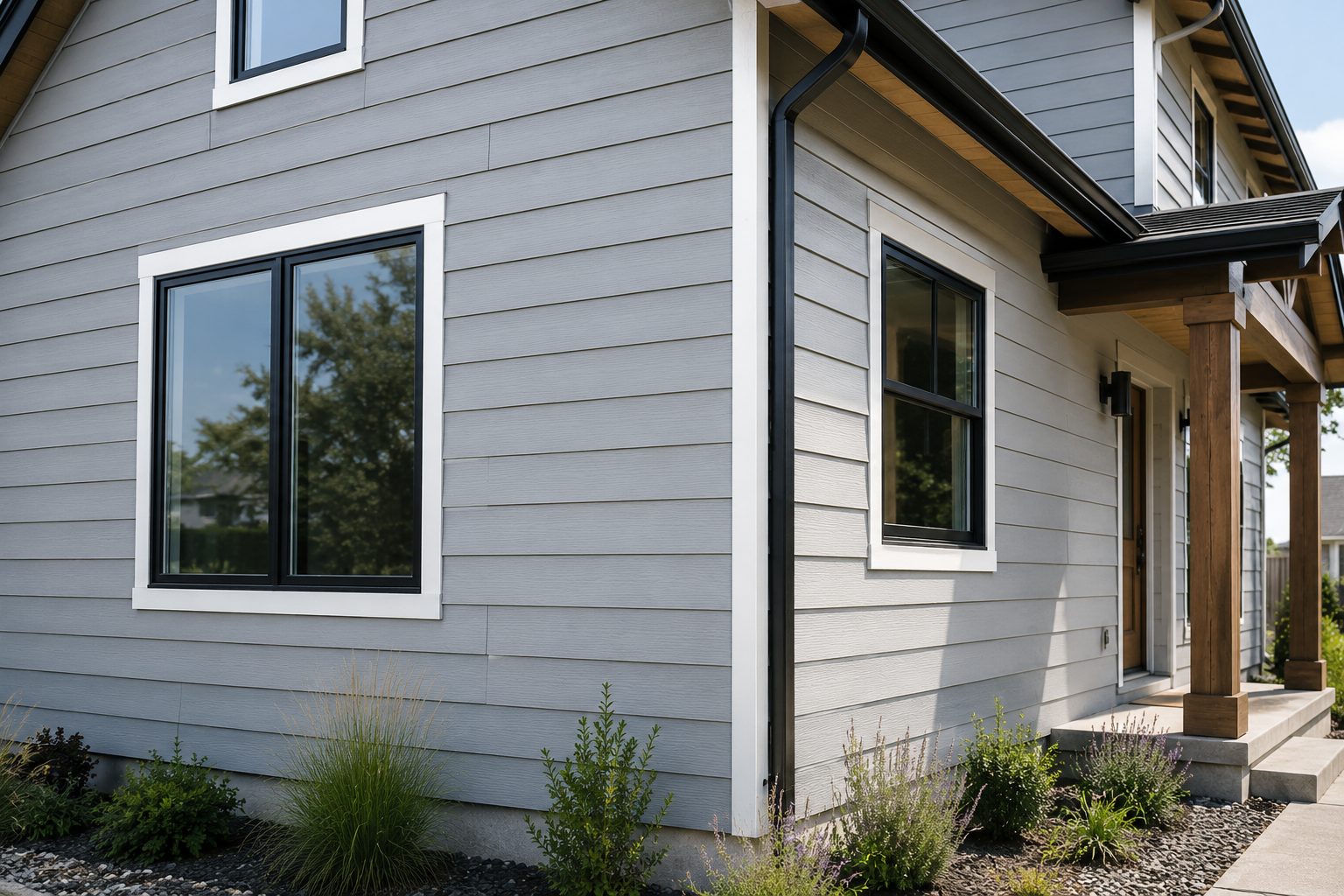
Fiber Cement Siding
A durable, low-maintenance siding material with strong fire-resistant performance and a clean architectural look.
Stucco Exterior Finish
Cement-based stucco provides a non-combustible exterior surface when properly installed over a fire-resistant assembly.
Metal Siding and Panels
Steel or aluminum siding systems offer a modern appearance and high resistance to ignition.
Masonry and Stone Veneer
Brick, concrete block, natural stone, and manufactured stone veneer provide excellent fire-resistant exterior protection.
Exterior Fire-Rated Wall Assemblies
For high-risk areas, wall systems can be designed with multiple protective layers, including non-combustible cladding, fire-rated sheathing, and mineral wool insulation.
Windows & Glazing
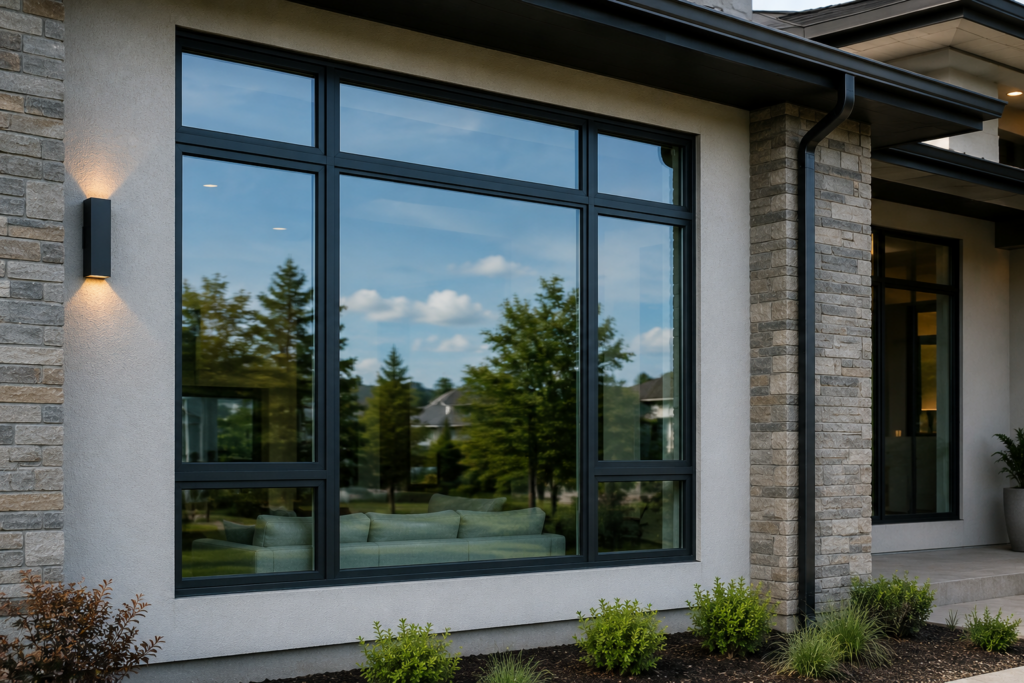
Tempered Glass Windows
Tempered glass is stronger than standard glass and performs better under heat stress, helping reduce breakage during wildfire exposure.
Dual-Pane or Multi-Pane Glazing
Insulated glass units offer improved protection compared with single-pane windows, especially when one or more panes are tempered.
Fire-Rated Glass Systems
Specialized fire-rated glazing can be used in select locations where additional protection is required.
Metal Window Frames
Aluminum or steel window frames are more ignition-resistant than vinyl frames and pair well with fire-resilient exterior assemblies.
Ventilation & Ember Protection
Ember-Resistant Vents
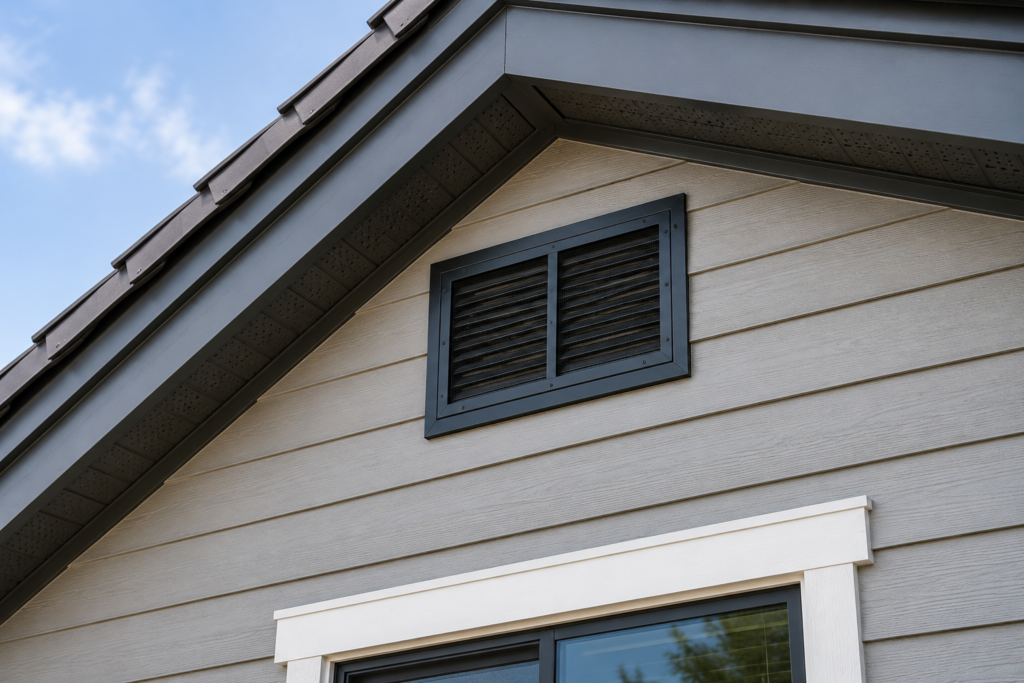
Specialized anti-ember vents help block wind-driven embers from entering attic spaces, crawl spaces, soffits, and wall cavities.
Fire-Resistant Louvers
Metal louvers with ember-resistant mesh or baffle systems provide ventilation while reducing ember intrusion.
Protected Soffit Vents
Soffit vents can be designed with non-combustible materials and fine corrosion-resistant mesh to help prevent ember entry.
Sealed Penetrations
Gaps around vents, pipes, conduits, and utility penetrations should be sealed with approved fire-resistant materials.
Decks, Balconies & Exterior Attachments
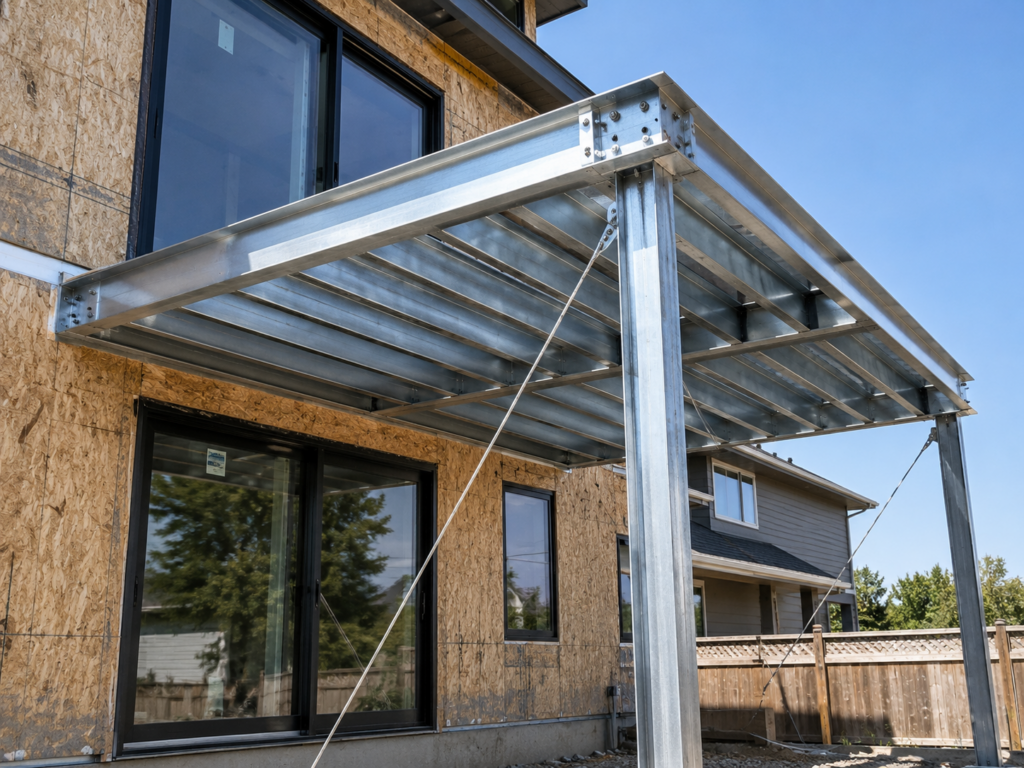
Metal Deck Framing
Steel deck framing reduces combustible material near the home and provides long-term durability.
Fire-Resistant Decking
Options include concrete pavers, metal decking systems, tile, stone, and approved ignition-resistant composite products.
Non-Combustible Railings
Steel, aluminum, glass, and cable railing systems help reduce exterior fuel sources.
Protected Undersides
Decks, balconies, and projections can be enclosed or protected with non-combustible materials to limit ember accumulation.
Insulation & Interior Protection
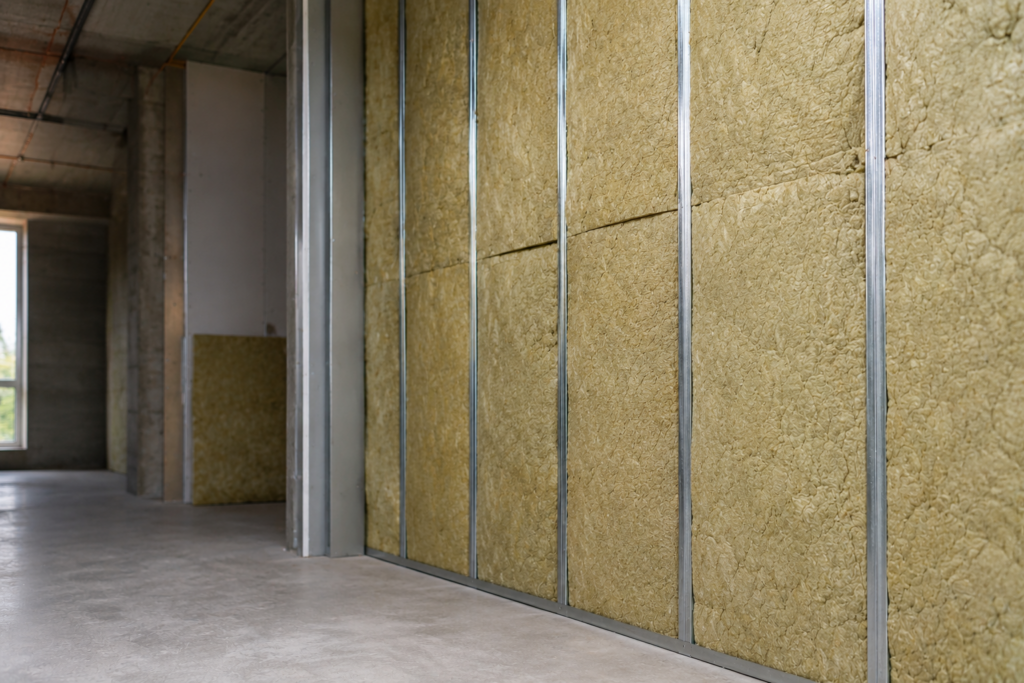
Mineral Wool Insulation
A non-combustible insulation option that provides thermal performance, sound control, and fire resistance.
Fire-Rated Drywall
Type X gypsum board improves fire resistance in walls, ceilings, garages, mechanical rooms, and protected assemblies.
Fire-Resistant Sealants and Caulks
Used around joints, penetrations, and transitions to help maintain fire-rated assemblies.
Doors & Openings
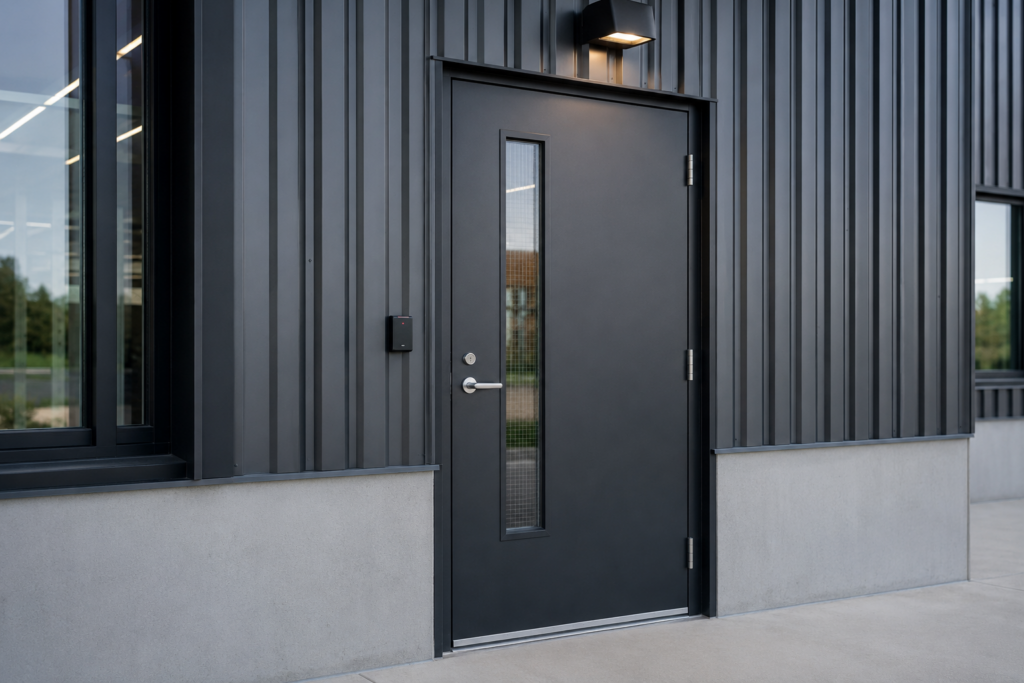
Metal Entry Doors
Steel doors provide better fire resistance than standard wood or fiberglass doors.
Fire-Rated Garage Doors
Garage doors can be upgraded with fire-rated or ignition-resistant assemblies, especially important because garages often face driveways and open exposure areas.
Weatherstripping and Door Seals
Tight seals help reduce ember entry around exterior doors, garage doors, and utility access points.
Site & Exterior Detailing
Non-Combustible Fencing Near the Home
Metal, masonry, or concrete fencing is preferred where fences connect directly to the structure.
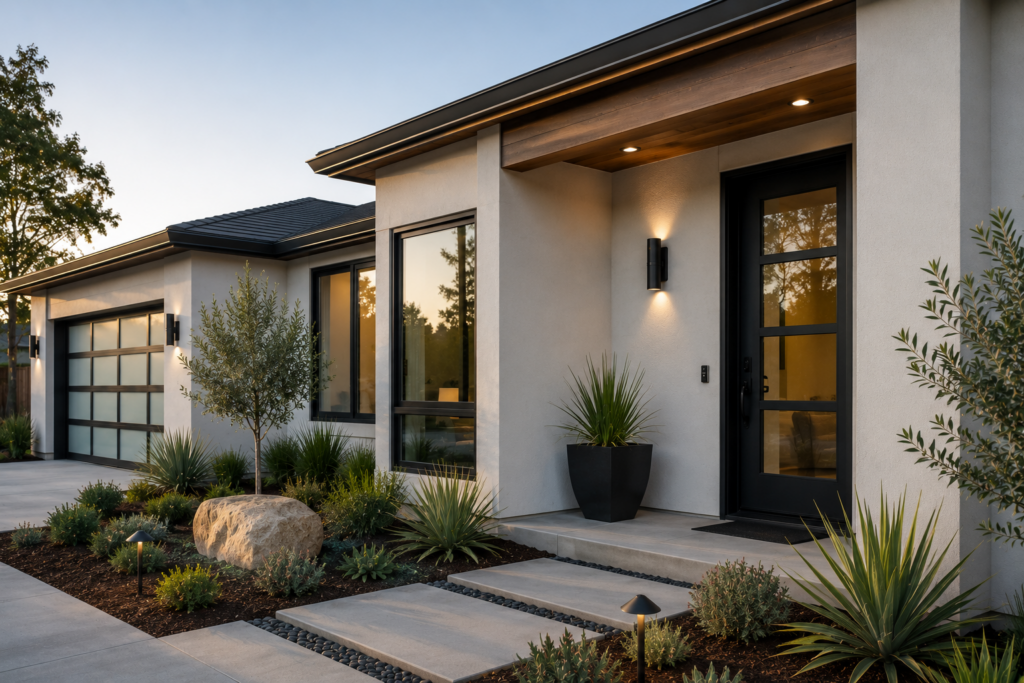
Gravel or Hardscape Perimeter Zones
Using gravel, concrete, stone, or pavers near the building helps reduce combustible material directly adjacent to exterior walls.
Fire-Resistant Exterior Finishes
Paints, coatings, trims, and sealants should be selected for durability and compatibility with fire-resistant assemblies.
Insulated Composite Concrete Form (ICCF) Systems
Superior Fire Resistance
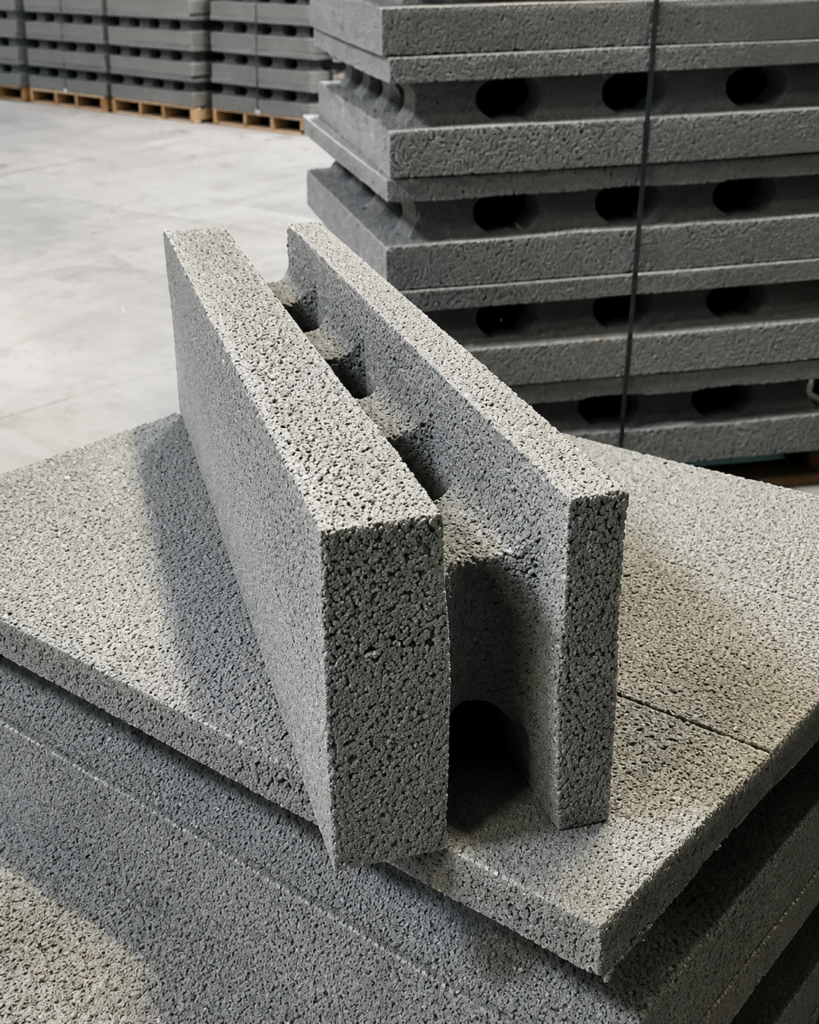
ICCF walls are constructed using reinforced concrete and integrated insulation, creating a highly fire-resistant building envelope that helps protect homes from wildfires, wind-driven embers, and extreme heat exposure.
Enhanced Structural Durability
The reinforced concrete core provides exceptional strength and resilience against harsh weather conditions, seismic activity, and long-term wear, ensuring lasting structural integrity.
Energy Efficiency & Comfort
Integrated insulation delivers superior thermal performance, reducing energy consumption while maintaining consistent indoor temperatures and improving year-round occupant comfort.
Long-Term Protection & Value
ICCF construction offers a durable, low-maintenance solution that enhances safety, reduces rebuilding risks, and provides homeowners with greater peace of mind and long-term property value.
Designed for Fire Resilience
A fire-resistant home is not defined by one product alone. The best protection comes from a complete system: non-combustible roofing, ignition-resistant siding, protected vents, tempered glazing, durable framing, sealed openings, and thoughtful exterior detailing. Together, these materials help reduce vulnerability to embers, radiant heat, and direct flame exposure while supporting long-term durability and architectural quality.